O Oriens: The Dawn of Hope and Salvation
The “O Antiphons,” sung during the final days of Advent, are poetic invocations that express the Church’s deep longing for the coming of Christ. Each antiphon highlights a specific title of the Messiah, drawn from the prophecies of Isaiah. Among these is “O Oriens,” celebrated on December 21, a poignant reflection on Christ as the “Dayspring” or “Morning Star.” This title resonates deeply, especially as it falls on the winter solstice, the darkest day of the year in the Northern Hemisphere, when the hope of increasing light is most tangible.
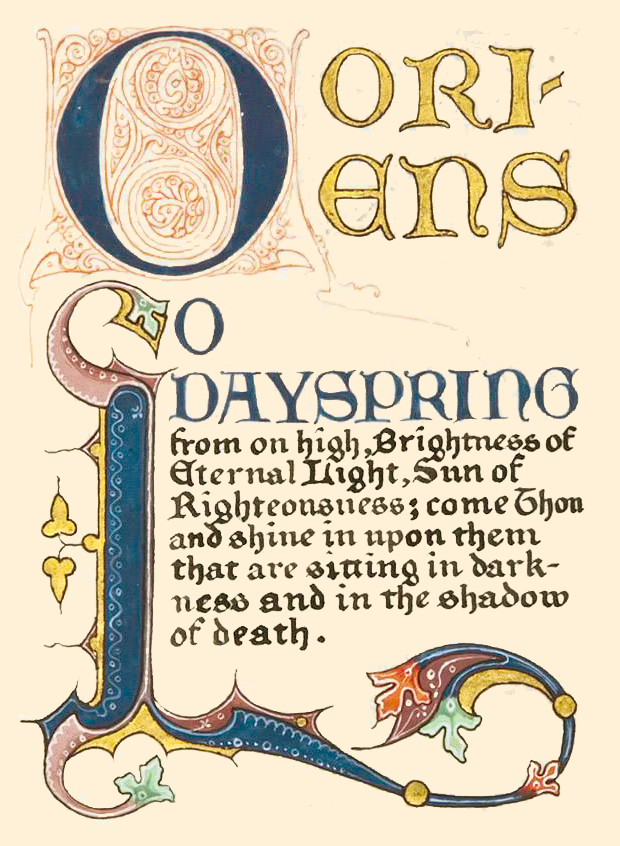
The text of the antiphon reads:
“O Oriens, splendor lucis aeternae, et sol justitiae: veni et illumina sedentes in tenebris et umbra mortis.”
“O Morning Star, splendor of eternal light, and sun of justice: come and illuminate those who dwell in darkness and the shadow of death.”
A Light in the Darkness
The imagery of “O Oriens” is rich with symbolism. The Morning Star is the herald of dawn, a promise that the long night will soon give way to light. In the same way, Christ’s coming is the fulfillment of humanity’s longing for salvation. The “splendor of eternal light” speaks of Christ as the uncreated light of God, whose presence dispels the spiritual darkness of sin. Similarly, the “sun of justice” recalls Malachi 4:2: “But for you who fear my name, the sun of righteousness shall rise, with healing in its wings.”
In the context of Advent, “O Oriens” becomes a prayer of profound hope. It acknowledges the reality of human suffering, the “darkness” and “shadow of death” in which so many dwell. Yet it also expresses confidence in Christ’s power to bring healing, justice, and peace.
The Dawn of Salvation
December 21, the winter solstice, symbolizes a turning point. After this day, the nights grow shorter, and the light begins to prevail over darkness. This mirrors the cosmic significance of Christ’s birth: the incarnation is the moment when God enters the world to overcome sin and death. It is no coincidence that the Church celebrates Christmas near this time, reinforcing the connection between physical and spiritual light.
The antiphon also invites personal reflection. We are reminded that Christ does not merely bring light into the world at large; He seeks to illuminate our hearts. In what ways do we dwell in darkness? What parts of our lives need the healing and justice that Christ, the “sun of justice,” offers?
Reflecting the Light
As we meditate on “O Oriens,” we are also called to reflect Christ’s light to others. In Matthew 5:14, Jesus declares, “You are the light of the world.” Just as the Morning Star heralds the dawn, Christians are called to be signs of hope for those who sit in darkness. Whether through acts of kindness, prayer, or simply being present for someone in need, we participate in Christ’s mission to bring light to the world.
Hope and Transformation
“O Oriens” is a prayer of hope and transformation. As we sing it during Advent, we are reminded that the light of Christ shines in every corner of our lives, even in the darkest moments. The Morning Star rises, signaling the dawn of salvation. Let us prepare our hearts to welcome Him and, in turn, be bearers of His light in a world longing for hope.
 Crux Stationalis