The Cathedra of the Cathedral of Rome: St. John Lateran
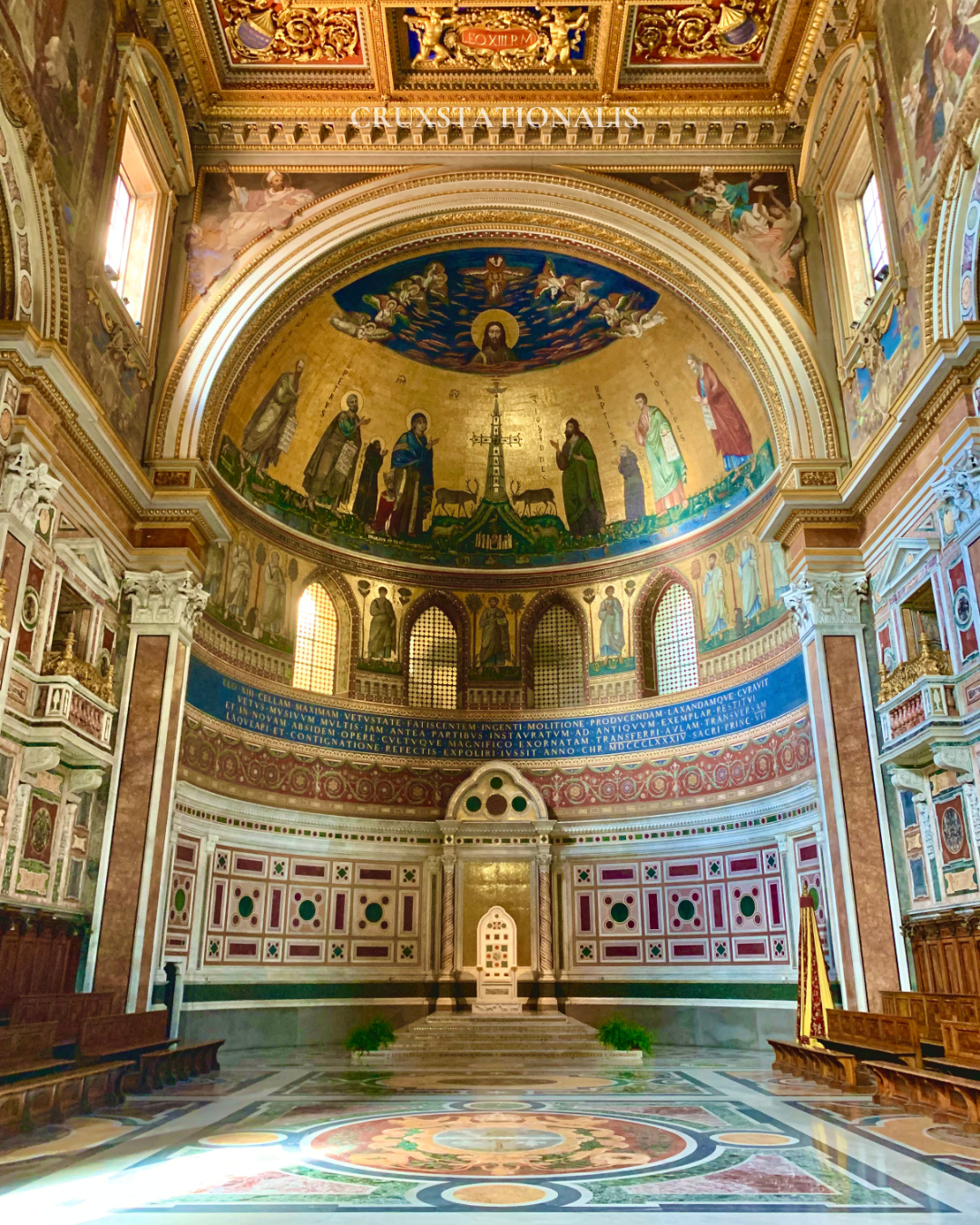
While many associate the Pope primarily with St. Peter’s Basilica, the true cathedral of the Bishop of Rome is the Archbasilica of St. John Lateran. As the mother church of all churches in the world (Omnium Urbis et Orbis Ecclesiarum Mater et Caput), it houses the cathedra—the official episcopal throne of the Pope.
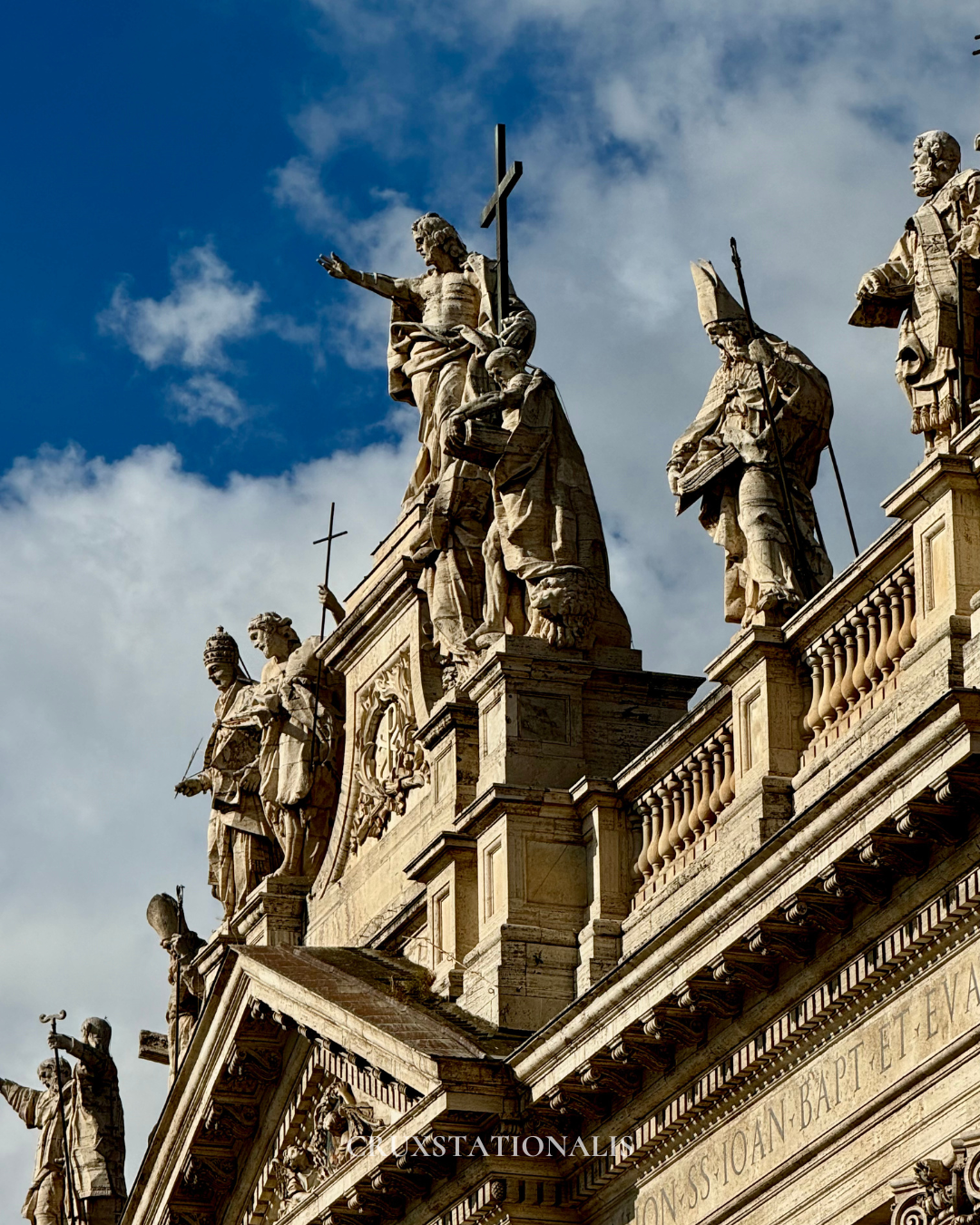
The word cathedra signifies the seat of a bishop’s teaching authority, from which we get the term “cathedral.” At St. John Lateran, this throne symbolizes the Pope’s role not only as universal pastor but also as the Bishop of Rome, the local shepherd of the Church in the Eternal City.
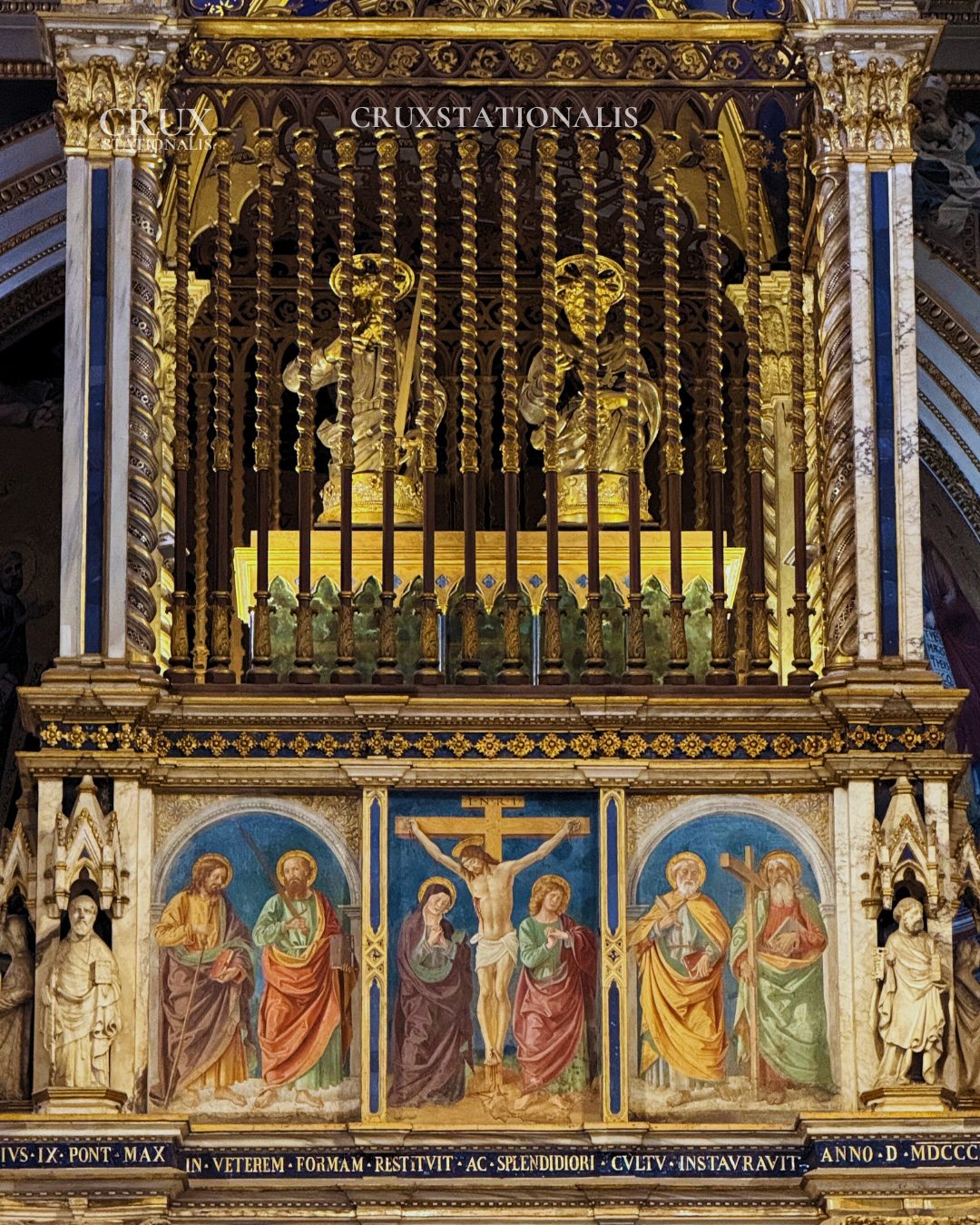
The current cathedra, located in the apse of the basilica, is a 19th-century structure built during restorations under Pope Pius IX, incorporating remnants of an ancient wooden throne believed to date back to the early Christian centuries. Though it has been renewed and redecorated over time, the throne’s enduring symbolism remains: it is the seat of Peter, passed on through his successors.
Liturgically, the cathedra plays a central role on the feast of the Dedication of the Lateran Basilica (November 9) and during certain major Roman liturgies when the Pope celebrates Mass in his cathedral. It is from this seat that he governs the Diocese of Rome and, by extension, exercises a unique pastoral role over the universal Church.
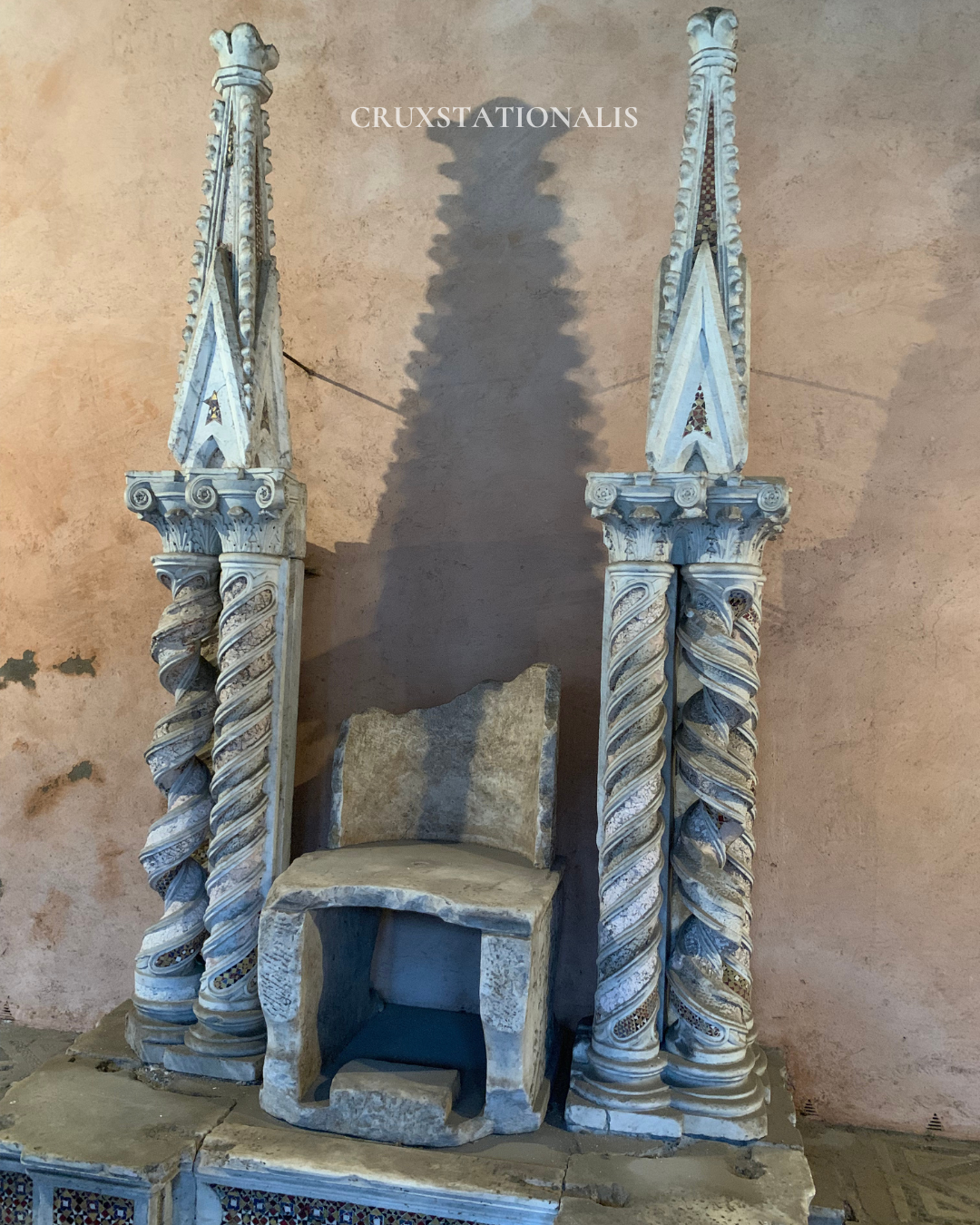
To stand before the cathedra in St. John Lateran is to witness the heart of the Church’s hierarchical and sacramental structure—rooted in apostolic succession, expressed through sacred space, and lived out in the life of the Church. It is a visible sign of the unity of the Catholic Church under one shepherd.
 Crux Stationalis