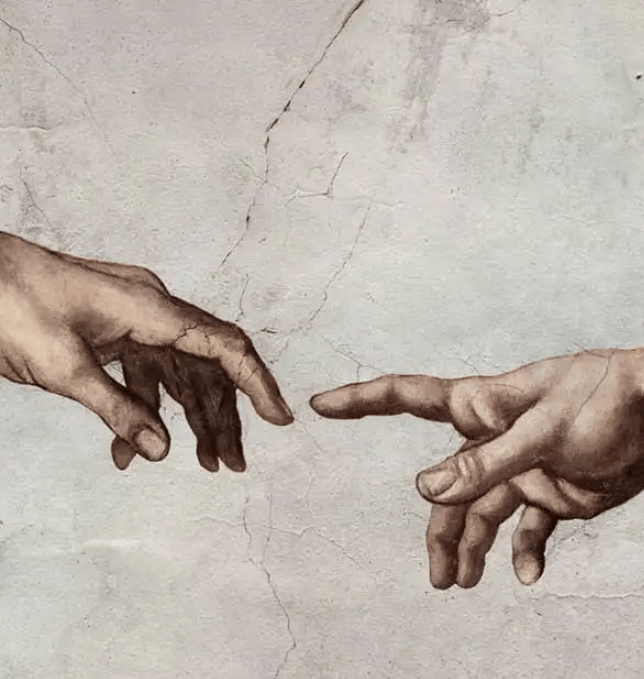
In his address inaugurating a new cycle of catechesis on the Second Vatican Council, Pope Leo XIV invited the faithful—this audience in particular—to become the first to enter deeply and directly into the Council’s documents themselves. Rather than treating Vatican II as a distant historical event, the Pope proposed reading it as a living source of faith for the Church today. His reflection began with one of the Council’s most important and beautiful texts: Dei Verbum, the Dogmatic Constitution on Divine Revelation.
To introduce Dei Verbum, Pope Leo XIV turned first to the words of Jesus in the Gospel of John:
“No longer do I call you servants, for the servant does not know what his master is doing; but I have called you friends, for all that I have heard from my Father I have made known to you” (Jn 15:15).
As the Pope explained, this passage expresses a fundamental point of Christian faith—one that Dei Verbum places at the center of revelation itself. In Jesus Christ, humanity’s relationship with God is radically transformed. God no longer relates to us merely as servants, but as friends. From this moment on, the Pope noted, the only condition of the new covenant is love.
Drawing on Saint Augustine’s commentary on the Gospel of John, Pope Leo XIV emphasized that this friendship is possible only through grace. We do not make ourselves friends of God; rather, God makes us friends in His Son. An ancient maxim captures this truth well: Amicitia aut pares invenit, aut facit—“Friendship either finds equals or makes them so.” While we are not equal to God, the Pope explained, God Himself makes us similar to Him through Christ.
Reflecting on the biblical history of the covenant, Pope Leo XIV observed that Scripture always presents an initial distance between God and humanity. God remains God; we remain creatures. Yet with the coming of the Son in human flesh, the covenant reaches its fulfillment. In Jesus, God makes us sons and daughters, calling us to become like Him within the limits of our fragile humanity. This likeness to God, the Pope stressed, is not achieved through transgression or sin—as the serpent suggested to Eve—but through relationship with the Son made man.
The Holy Father then pointed directly to Dei Verbum, which echoes Christ’s words about friendship:
“Through this revelation, therefore, the invisible God, out of the abundance of His love, speaks to men as friends and lives among them, so that He may invite and take them into fellowship with Himself” (Dei Verbum, 2).
As Pope Leo XIV explained, the God of Genesis already engaged humanity in dialogue, walking and speaking with the first parents. When sin interrupted that dialogue, God did not abandon His creatures. Instead, He continued to seek them out, establishing covenants across salvation history. In Christian revelation—when God becomes man—the broken dialogue is restored definitively. The covenant is now new and eternal, and nothing can separate humanity from God’s love.
For this reason, the Pope emphasized, revelation has the very structure of friendship. Like all genuine friendships, it cannot endure in silence. It is nourished by the exchange of true words. Dei Verbum reminds us that God speaks to us—but His speech is not empty chatter. Authentic words, Pope Leo XIV noted, do more than transmit information; they reveal the person and create communion. In speaking to us, God reveals Himself as an ally who invites us into friendship with Him.
From this perspective, the Pope identified listening as the first essential attitude of the believer. The Word of God must be allowed to penetrate both mind and heart. At the same time, Christians are called to speak with God—not to tell Him what He already knows, but to come to know themselves in His presence.
This is why, Pope Leo XIV concluded, prayer is indispensable. Friendship with the Lord is lived and cultivated above all through prayer: first in the liturgical and communal prayer of the Church, where God speaks to us through His Word, and then in personal prayer, in the interior silence of the heart. Time for prayer, meditation, and reflection cannot be absent from the Christian’s day and week. Only those who speak with God, the Pope reminded the faithful, can truly speak about Him.
Finally, Pope Leo XIV pointed to a sobering truth drawn from human experience: friendships often end not through dramatic rupture, but through neglect. If Christ calls us His friends, the Pope urged, we must not allow this relationship to erode. By welcoming and caring for this friendship, we will discover what Dei Verbum proclaims and the Church lives—that friendship with God is our salvation.
 Crux Stationalis