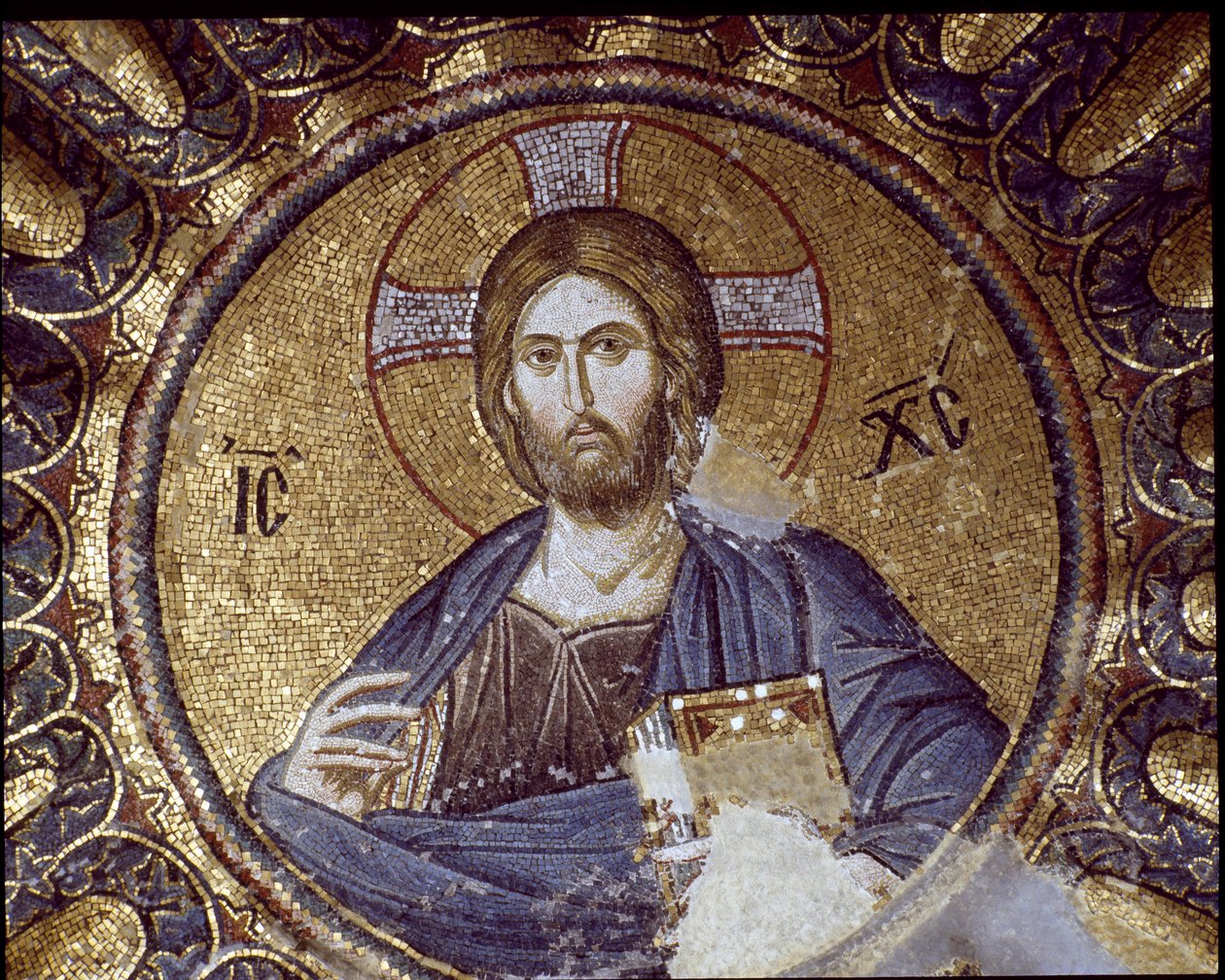
Continuing the General Audiences dedicated to a close and prayerful reading of the documents of the Second Vatican Council, Pope Leo XIV returned once again to Dei Verbum, the Dogmatic Constitution on Divine Revelation. In this catechesis, the Holy Father focused on Sacred Scripture as a privileged place of encounter where God continues to speak to men and women of every age, inviting them to know Him and to grow in love.
Drawing from the Council’s teaching, Pope Leo XIV explained that Sacred Scripture, when read within the living Tradition of the Church, is not a relic of the past but a living dialogue. God speaks so that humanity may listen, enter into relationship, and respond. Yet the Pope emphasized a crucial point: the biblical texts were not written in a heavenly or superhuman language. Just as people who speak different languages cannot truly understand one another, so too genuine dialogue requires a shared language. For this reason, God chose to speak in human words.
The Holy Father recalled that the Scriptures were written by various human authors, inspired by the Holy Spirit, who used their own languages, cultures, and expressions. Quoting Dei Verbum, he noted that “the words of God, expressed in human language, have been made like human discourse, just as the Word of the eternal Father, when He took to Himself the flesh of human weakness, was in every way made like men” (DV, 13). In both content and language, Scripture reveals God’s merciful closeness and His desire to enter into relationship with humanity.
Pope Leo XIV then traced how the Church has reflected on the relationship between the divine Author and the human authors of Scripture. While earlier theology sometimes emphasized divine inspiration to the point of minimizing the role of the human writers, Vatican II recovered a more balanced vision. God is the principal author of Scripture, yet the hagiographers are true authors as well. As the Pope observed, God never diminishes human freedom or creativity; He works through them.
Because Scripture is the Word of God in human words, the Pope warned against interpretations that neglect either dimension. Ignoring the historical context and literary forms of the biblical texts risks falling into fundamentalist or spiritualist readings that distort their meaning. At the same time, proclaiming the Word in language disconnected from real human experience renders it ineffective. In every age, the Church is called to speak the Word of God in a way that can be embodied in history and reach human hearts.
Equally reductive, Pope Leo XIV cautioned, is reading Scripture as a merely human text of the past. Especially in the liturgy, the Word of God is meant to address today’s believers, illuminating their choices and struggles. This is possible only when Scripture is read under the guidance of the same Spirit who inspired it.
Quoting Saint Augustine, the Pope reminded the faithful that true understanding of Scripture builds up love of God and neighbor.
“Whoever thinks he has understood the divine Scriptures, but through such understanding does not succeed in building up this twofold love—of God and of neighbor—has not yet truly understood them.”
The Gospel, he concluded, transcends every purely social or philanthropic reduction: it proclaims the gift of eternal life given in Jesus Christ. Pope Leo XIV ended by inviting the faithful to thank God for the nourishment of His Word and to pray that their lives may faithfully reflect the love it proclaims.
Subscribe to stay up-to-date with daily posts during Lent as we explore the most ancient churches of Rome with the Roman Station Church pilgrimage.
 Crux Stationalis