The Lenten Station
On the Tuesday of the Second Week of Lent, the Roman stational tradition brings the faithful to Santa Balbina, a basilica in the Trastevere district of Rome. This station situates the Church’s penitential pilgrimage within one of the city’s earliest parish churches, linking the Lenten journey to the memory of martyrs and the local Christian community of Rome’s western bank of the Tiber.
Unfortunately, I don’t have a video of this church, as it has been closed for some years to public visit. Ahead of the Feast of St. Thomas Aquinas enjoy this sung prayer inside Santa Maria sopra Minerva:
Location and Dedication
Santa Balbina stands on Via San Balbina in Trastevere, adjacent to the ancient Clivus Publicius. The basilica is dedicated to Saint Balbina, a virgin martyr of the early Church. The church has served as a local parish center and a titular church, integrating daily pastoral activity with Rome’s broader liturgical life.
Early Christian Origins
Santa Balbina is one of the ancient Christian foundations of Rome, reportedly built on or near the site of a Roman house associated with early believers. It was established in the 5th century as a titulus, a private Christian worship site that became a parish church when Christianity emerged from persecution into legal and public life. The basilica’s foundation reflects the pattern of early Christian communities forming around the homes of the baptized and progressing into formal church structures.
The basilica’s dedication to Saint Balbina connects it to the narrative of Christian witness under persecution. Balbina herself is traditionally counted among the martyrs of early Rome, a testament to the formative era when the Church’s identity was shaped by conflict, witness, and steadfastness in the face of imperial opposition.
Medieval and Later History
Throughout the medieval period, Santa Balbina retained its identity as a parish church while undergoing successive restorations and modifications. Its status as a titular church — assigned to a cardinal-priest — reflects its integration into Rome’s ecclesiastical hierarchy. Over the centuries, the church’s fabric was adapted to meet liturgical and structural needs, yet it preserved its core identity as a local locus of worship.
In the 19th century, Pope Pius IX promoted restoration work that renewed aspects of the basilica’s structure without erasing its early Christian character. The building’s longevity as a house of worship testifies to the continuity of Christian presence in Trastevere from late antiquity to the modern era.
Architectural Features
The present church exhibits a basilican plan with a nave and side aisles, a form typical of early Christian architecture in Rome. Its façade reflects later alterations that articulate a restrained ecclesiastical frontage in the urban fabric of Trastevere. The interior is organized for liturgical action, with a high altar and side chapels accommodating parish needs alongside the celebration of the Mass.
While Santa Balbina does not possess the monumental scale of Rome’s major basilicas, its architectural simplicity underscores its role as a parish community anchored in ancient Christian identity. The structural features reflect centuries of additive work: medieval, post-medieval, and modern, each layer contributing to the church’s function and continuity.
Artistic and Devotional Elements
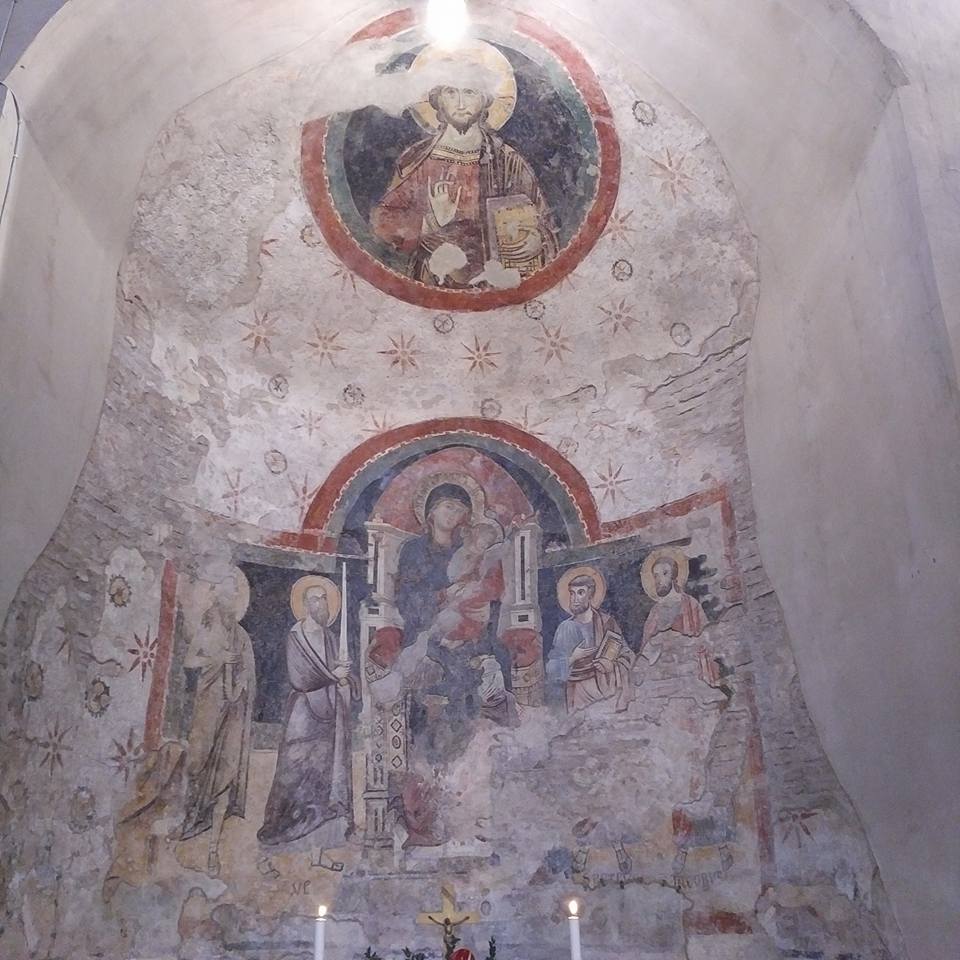
Within Santa Balbina are devotional artworks and altarpieces that reflect the devotional practices of its parishioners over the centuries. Statues, paintings, and liturgical furnishings articulate the ongoing role of the church in local devotional life, even as artistic programs changed with successive restorations.
The basilica also houses relics associated with early Christian martyrs. These relics reinforce the station church’s connection to the witness of those who gave their lives for the faith and emphasize the penitential character of the Lenten journey.
Titular Status and Ecclesial Role
Santa Balbina holds the rank of a cardinalatial titular church, connecting it to the governance of the Church through its assignment to a cardinal-priest. As a parish, it continues to serve the needs of the faithful in Trastevere, integrating sacramental life with local community engagement.
The Station Significance
On the Tuesday of the Second Week of Lent, Santa Balbina anchors the Church’s penitential pilgrimage in a basilica shaped by centuries of Christian worship and witness. Its dedication to a martyr, its ancient origins, and its continued function as a parish church typify the blending of Rome’s historical memory with ongoing liturgical life.
The station at Santa Balbina reminds the faithful that Lent is not only personal introspection but participation in a community rooted in witness, continuity, and the steadfastness of those who carried the faith through the early centuries of the Church.
Receive these articles daily in your inbox by subscribing here:
And please share this article with your family and friends — every share helps our fellow Catholic brothers and sisters discover Rome’s most ancient treasures, and hopefully brings edification through the liturgical season of Lent.
The full Lenten itinerary can be found here at the sticky post with links to every video tour of the Roman Station Churches available at Crux Stationalis.
I propose two works for your Lenten meditations and beyond Lent to concentrate your prayer on the Passion of Christ and his Love for you in His Passion: 31 Days of Meditations on the Passion written by a Passionist Father and Flowers of the Passion by St. Paul of the Cross.
 Crux Stationalis