Stories of Eucharistic miracles often capture the attention of Catholics around the world. A Host that bleeds. Flesh appearing where there had been bread. A visible sign that seems to break into ordinary life and remind us of a profound truth about the Eucharist.
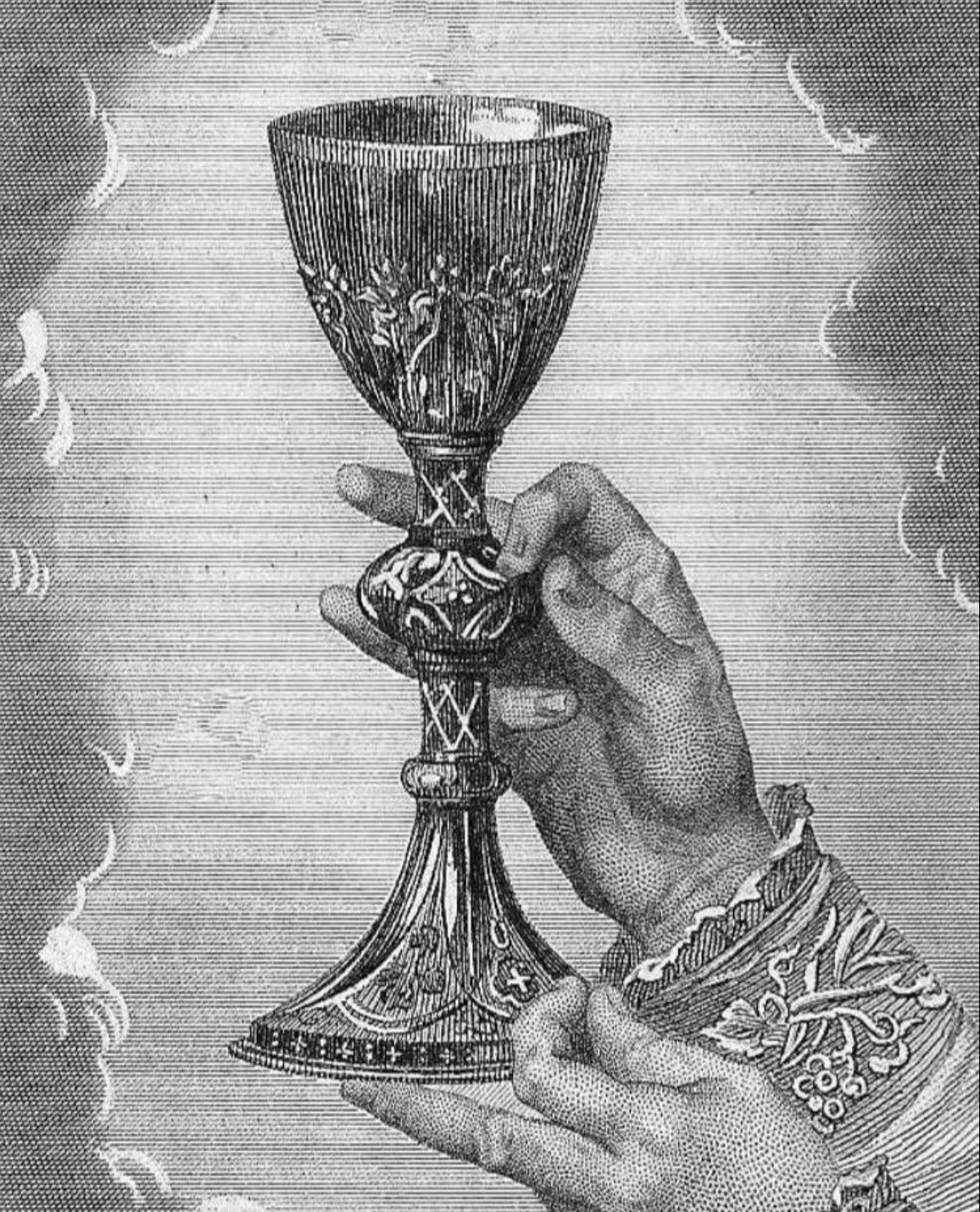
Recently, a story circulated on social media about a priest from Minnesota who had a powerful experience during the consecration of the chalice at Mass. Some quickly described it as a “possible Eucharistic miracle.”
But it was not.
Nothing in the account suggested a change in the appearance of the Eucharistic species. There was no physical phenomenon requiring investigation. Instead, what the priest described was something different: a personal grace, an interior experience that deepened his understanding of the sacrifice of Christ.
And that distinction matters.
The Church has always recognized that God can grant special spiritual insights, moments of profound clarity, or powerful experiences during prayer and worship. Such graces can deeply affect a person’s faith. But they are not the same thing as a Eucharistic miracle.
What is a Eucharistic Miracle?
A Eucharistic miracle involves an extraordinary external sign associated with the Blessed Sacrament. The purpose of such signs has never been entertainment, curiosity, or sensationalism. Rather, they exist to point believers back to a truth the Church already teaches: Jesus Christ is truly present in the Eucharist.
The famous Miracle of Orvieto is one example. According to tradition, a priest struggling with doubts about the Real Presence witnessed blood flowing from the consecrated Host during Mass. The miracle became a powerful testimony to a reality that Catholics profess at every Mass: that Christ is truly present in the Eucharist.
Miracle of Orvieto explained:
But even Orvieto points beyond itself.
The bleeding Host was extraordinary because it made something visible.
The Mass is extraordinary because the reality is present even when nothing visible happens.
Every time a priest pronounces the words of consecration, bread and wine become the Body and Blood of Christ. No dramatic signs are required. No unusual phenomena need occur. The miracle has already taken place.
This is why the Minnesota priest’s experience is worth reflecting upon.
His account reminds us that the Eucharist is not an abstract doctrine. The Precious Blood offered on the altar is the same Blood poured out on Calvary for the redemption of the world. For a brief moment, he was given a deeper awareness of the weight of that mystery.
Many saints have received similar graces throughout the centuries. Yet they consistently pointed beyond their experiences and back to the sacrament itself. The grace was personal. The Eucharist was objective. The experience was temporary. The reality of Christ’s presence remained.
In a culture that often searches for signs and wonders, it is easy to become fascinated by the extraordinary while overlooking the miracle taking place before our eyes every Sunday, and every day!
The greatest wonder is not that God occasionally grants a special sign.
The greatest wonder is that at every Mass, on every altar throughout the world, Christ gives Himself completely to His people.
Extraordinary experiences can strengthen faith.
Extraordinary Eucharistic miracles can confirm faith.
But the purpose of both is the same: to lead us more deeply into the ordinary, daily miracle of the Eucharist, where heaven touches earth and Christ remains with His Church until the end of time.
Subscribe to the blog for free so you never miss a post:
In case you missed it, join me in praying seven Hail Marys in honor of Mary’s Sorrows:

